[Press Release] Participating in a Project to Advance Environmental Impact Assessments for Offshore Wind Power Generation
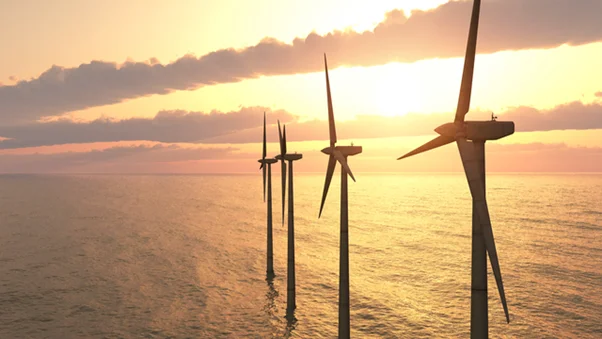
Participating in a Project to Advance Environmental Impact Assessments for Offshore Wind Power
— Achieving Both Decarbonization and Nature-Positive Outcomes Through Biologging and Biodiversity Big Data —
Together with Think Nature, Inc. and Koudou Lab, and with Professor Katsufumi Sato of the Atmosphere and Ocean Research Institute at the University of Tokyo serving as an advisor, our company has launched a joint project to advance environmental impact assessments for renewable energy development, including offshore wind power.
In this project, we will integrate wildlife behavior and movement data collected using the biolugging technology we have developed with the biodiversity big data held by Think Nature to conduct macroecological analyses that visualize high-resolution, individual-level habitat information.
This will enable us to conduct wide-area impact assessments, including the overlap between offshore wind power facilities and suitable habitats and activity areas for wildlife, collision risks such as bird strikes, and cumulative development impacts.
Significance of the Project
Amid growing demands to advance the GX initiative and implement the National Biodiversity Strategy and the Strategy for Transition to a Nature-Positive Economy, this project provides the following value:
・Enhancing the scientific rigor and transparency of the environmental impact assessment system
・Concretization of guidelines for biodiversity considerations in renewable energy deployment
・Provision of scientific evidence to support TNFD and ESG assessments
・Providing objective and quantitative data to support local consensus-building
Our Role
For over 10 years, our company has not only developed and manufactured GPS collars, compact loggers, and various sensors but has also supported data management, map visualization, alerts, and reporting via the cloud. In this project, we will leverage this expertise to handle everything from the collection of wildlife behavior and movement data to its analysis and visualization.
We will transform the collected data into “actionable intelligence” and contribute to achieving both a decarbonized society and a nature-positive future.
Future Developments
In the initial phase, we will utilize existing biolocking data to organize and visualize spatial overlaps with wind power facilities and risks along migration routes. In the medium to long term, we will accumulate insights through pilot projects focused on offshore wind power and advance societal implementation with a view to incorporating these insights into policy design, guideline development, and sustainable investment decisions.
Please see the press release below for details.
End