Marine acoustic monitoring to visualize ocean ecosystems and the environment
We classify underwater sound recorded by hydrophones with AI to make marine ecosystems, the environment, and human activity visible. This is marine acoustic monitoring, also known as passive acoustic monitoring (PAM): reading the state of the sea from sound where sight cannot follow continuously.
At a glance
Marine acoustic monitoring by Biologging Solutions Inc. is a service that classifies underwater sound recorded by hydrophones with AI (deep learning) into biophony, geophony, and anthrophony, and maps marine ecosystems, the environment, and human activity. Built on the world-first animal-borne soundscape logger (Scientific Reports, 2024), it is delivered through joint research and commissioned monitoring in sea areas in Japan and overseas.
- What we do
- Underwater sound recording, AI classification of sound sources, and visualization as soundscape maps
- Sounds identified
- Biophony (marine mammals, fish, and more), geophony (wind, waves, rain), and anthrophony (vessels, construction)
- Observation modes
- Offline analysis of existing recordings, mobile observation with animal-borne loggers, and fixed-point monitoring with buoys
- Coverage
- Any sea area, in Japan or overseas (coastal waters, open ocean, brackish lagoons)
- Deployment example
- Irrawaddy dolphin conservation project on Songkhla Lake, Thailand
- Main uses
- Offshore wind and port assessment, fisheries and aquaculture, biodiversity (TNFD, blue carbon), research and conservation
- How to engage
- Joint research and proof of concept (PoC), commissioned monitoring / data acquisition
What is a soundscape?
A soundscape is the totality of sound present in an environment. Because light barely reaches the sea and visual observation is hard, sound is a powerful clue to ecosystems, the environment, and human activity.
Soundscape ecology groups environmental sound by its source into three types. That is the framework we use to read the state of the sea.
Biophony
Sound made by living things: fish, marine mammals, and more.
Geophony
Non-biological natural sound: wind, waves, rain, and geology.
Anthrophony
Human-made sound: vessels, construction, sonar, and more.
Recording and analyzing this environmental sound passively with hydrophones is called passive acoustic monitoring (PAM). We pair PAM with edge AI to make the state of the sea visible.
The challenge: the sea is unseen, so it's hard to measure.
Marine development and conservation require assessing underwater noise, understanding species distribution, and monitoring ecosystem state. But the sea is dark and often turbid — sight and video alone cannot continuously cover wide areas.
Underwater sound has traditionally been observed with moored recorders fixed at a single point and recovered later. That makes multi-point, wide-area, near-real-time coverage difficult, and the data takes time to analyze.
The answer: classify the sound, visualize the sea.
We classify recorded sound on-device with AI (deep learning) into biophony, geophony, anthrophony, and more, and handle it together with location and depth. By sending classification results rather than raw audio, we achieve acoustic monitoring that doesn't depend on fixed infrastructure.
We combine animal-borne, moored, and product-based (LoggLaw CAM) approaches as needed, and visualize results as soundscape maps on a dedicated portal built on Animal Portal, turning them into data you can use for assessment and conservation decisions.
The sound → classify (AI) → visualize pipeline
 01 · Capture
Pick up underwater sound with a hydrophone
Animal-borne loggers, the LoggLaw NAD-W underwater acoustic monitoring system for fixed-point observation, and the hydrophone-equipped LoggLaw CAM record sound in the field.
 02 · Classify (AI)
Identify sound sources with edge AI
Deep learning classifies sound into biophony, geophony, and anthrophony. Working with classification results rather than raw audio enables wide-area, near-real-time observation.
 03 · Visualize
Map the state of the sea from sound
Classification results, location, and depth are integrated on a dedicated portal built on Animal Portal and visualized as soundscape maps you can base decisions on.
Three solutions and how they connect
Offline analysis is the entry point. If you already know which waters to monitor, go straight to a fixed buoy; if not, optional mobile biologging finds where to look. Buoy recordings feed back into analysis, so the three work together.
 Entry
EntryOffline analysis
Your question
“Is a rare species present in this sea area?”
We analyze existing recordings with AI. As an entry-level survey with no real-time requirement, it establishes the state of the sea area first. Because it reuses data you already have, it is a low-cost way to start.
 Optional
Mobile biologging
Your question
“Where should we place a buoy?” “We want to discover unknown habitats.”
We observe sound at the places that matter from the animal's point of view. Animal-borne loggers explore waters fixed infrastructure can't reach and reveal where stationary observation should go.
 Monitoring
Fixed buoy
Your question
“We want to monitor a confirmed rare species continuously.” (policy, fisheries control)
We run long-term stationary observation with real-time classification. The results feed directly into operations that assume continuous monitoring, such as dynamic fishing-restriction areas (Dynamic MPA) and policy coordination.
EntryOffline analysis
Your question
“Is a rare species present in this sea area?”
We analyze existing recordings with AI. As an entry-level survey with no real-time requirement, it establishes the state of the sea area first. Because it reuses data you already have, it is a low-cost way to start.
OptionalMobile biologging
Your question
“Where should we place a buoy?” “We want to discover unknown habitats.”
We observe sound at the places that matter from the animal's point of view. Animal-borne loggers explore waters fixed infrastructure can't reach and reveal where stationary observation should go.
MonitoringFixed buoy
Your question
“We want to monitor a confirmed rare species continuously.” (policy, fisheries control)
We run long-term stationary observation with real-time classification. The results feed directly into operations that assume continuous monitoring, such as dynamic fishing-restriction areas (Dynamic MPA) and policy coordination.
Pick only the solutions you need and scale up in phases, according to your budget and timeline.
Recordings from the buoy feed back as ongoing analysis, reports, and real-time alerts.
Use cases by area
Where acoustic monitoring helps differs across industry, government, and research.
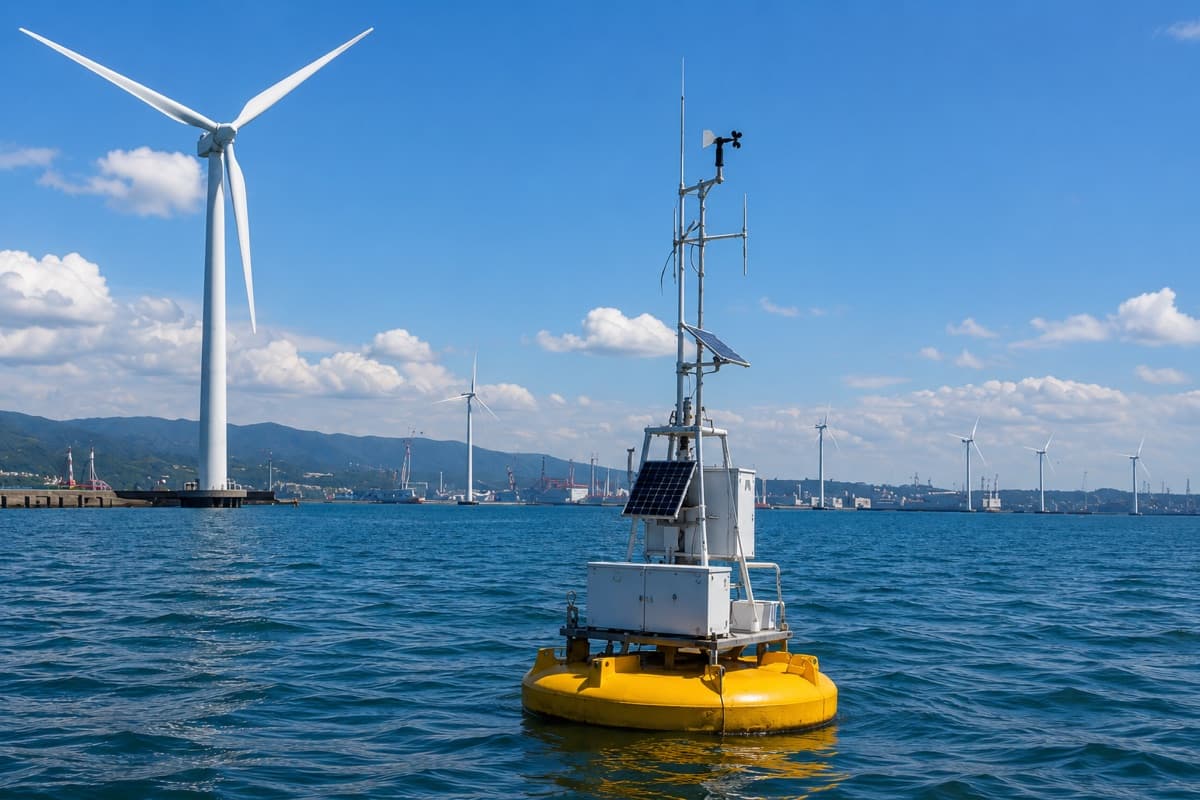
Offshore wind & ports — assessment / monitoring
Challenge
Offshore wind construction and operation and port development require assessing underwater noise and impacts on marine life. A single moored recorder makes wide-area, multi-point, near-real-time coverage difficult.
Approach
Passive acoustic monitoring (PAM) continuously observes underwater noise and animal vocalizations during construction and operation. We map the acoustic environment to provide evidence for assessment and adaptive management.
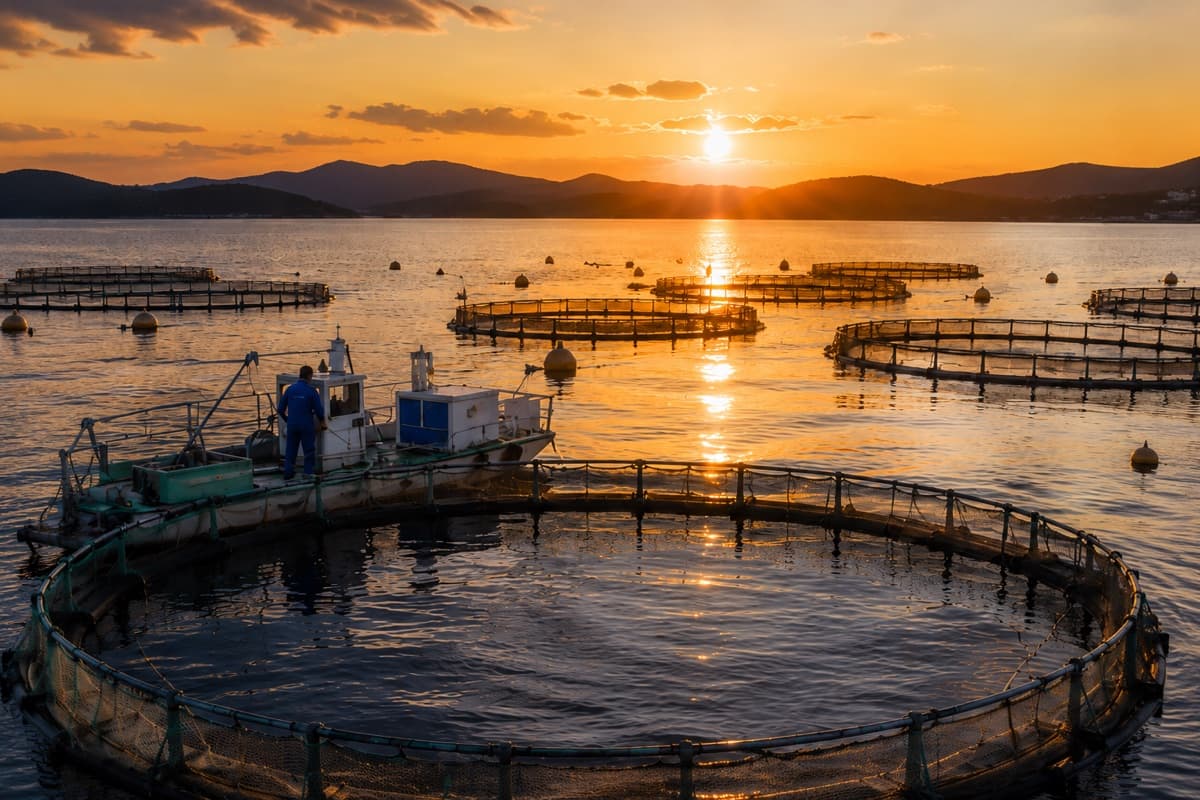
Fisheries & aquaculture
Challenge
Fishing-ground conditions and the distribution and behavior of target species are hard to capture by sight alone, and aquaculture sites need continuous environmental data.
Approach
We extract cues about the presence, activity, and environmental change of target species from biological and ambient sound, reinforcing stock, fishing-ground, and aquaculture assessments with acoustic data.
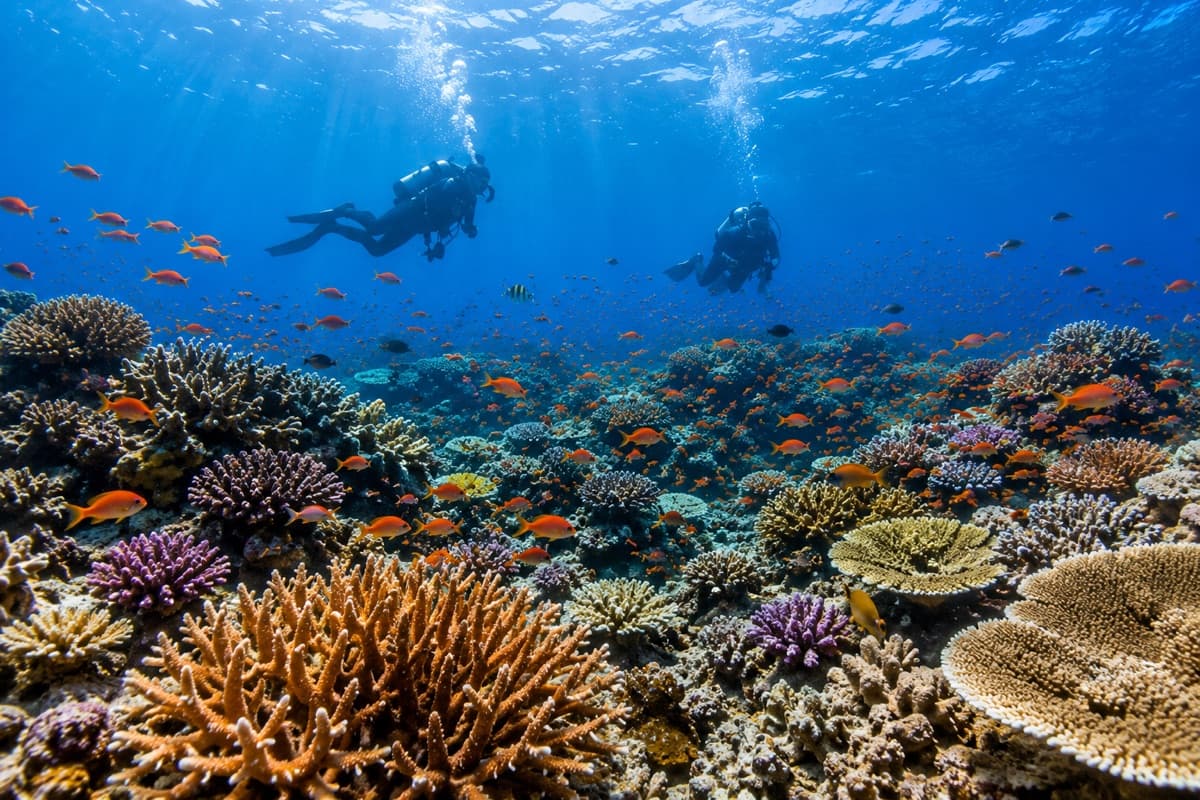
Biodiversity · TNFD · blue carbon
Challenge
Companies and municipalities face demands to disclose marine natural capital and biodiversity (TNFD) and to measure the impact of blue-carbon initiatives such as seagrass and tidal flats. Yet the means to quantify underwater conditions are scarce.
Approach
Soundscape indicators make ecosystem richness and change visible, producing quantitative data usable for TNFD disclosure and for verifying blue-carbon and seagrass-restoration outcomes.
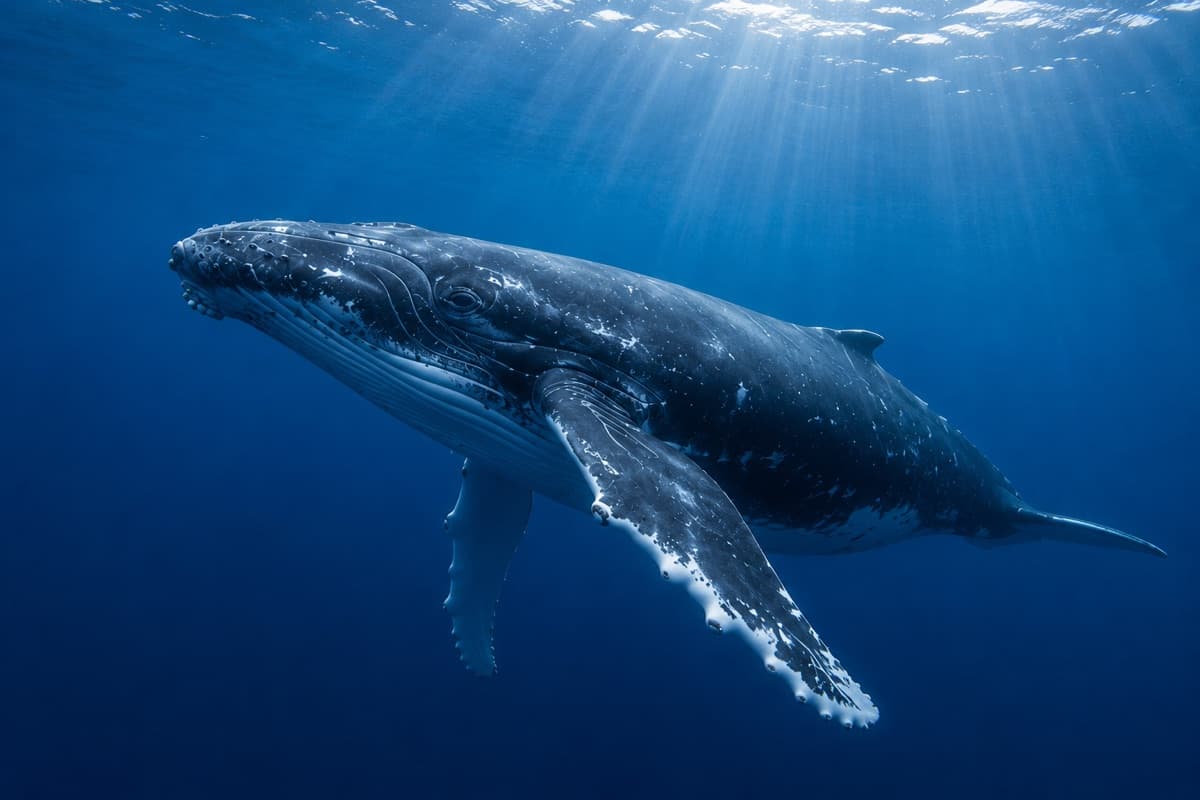
Research & conservation
Challenge
Managing marine protected areas (MPAs) and conserving rare species depends on long-term data on species presence and the sound environment, but installing and recovering fixed infrastructure is costly.
Approach
We design and run acoustic observation with both animal-borne and moored systems, supporting rare-species detection and MPA status assessment with our first-party engineering as a device manufacturer.
Impact in the field (from the sea-turtle trial in Thailand)
Our phase-1 trial in Thailand went beyond research results to create ripple effects in the local community.
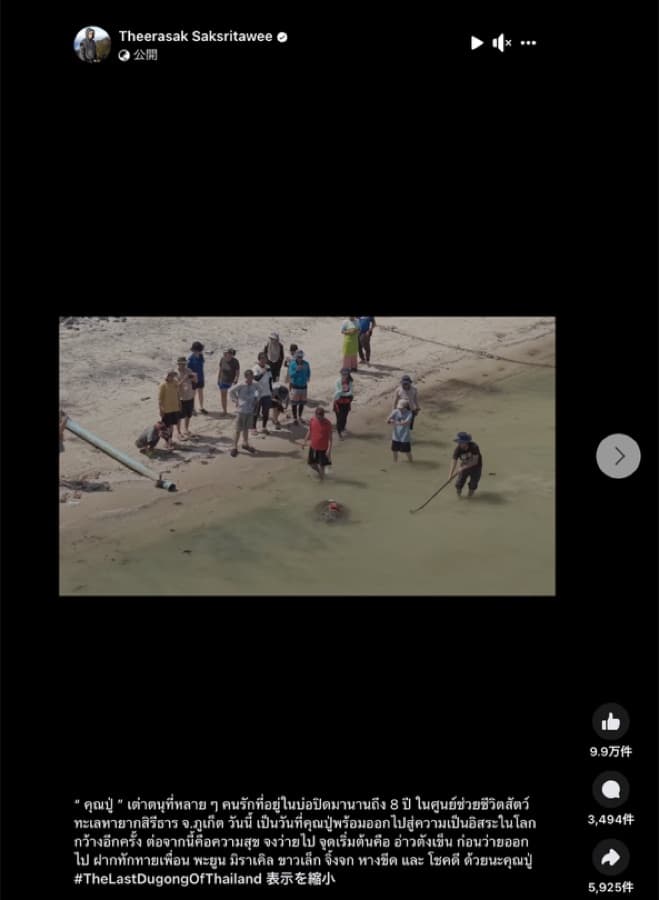
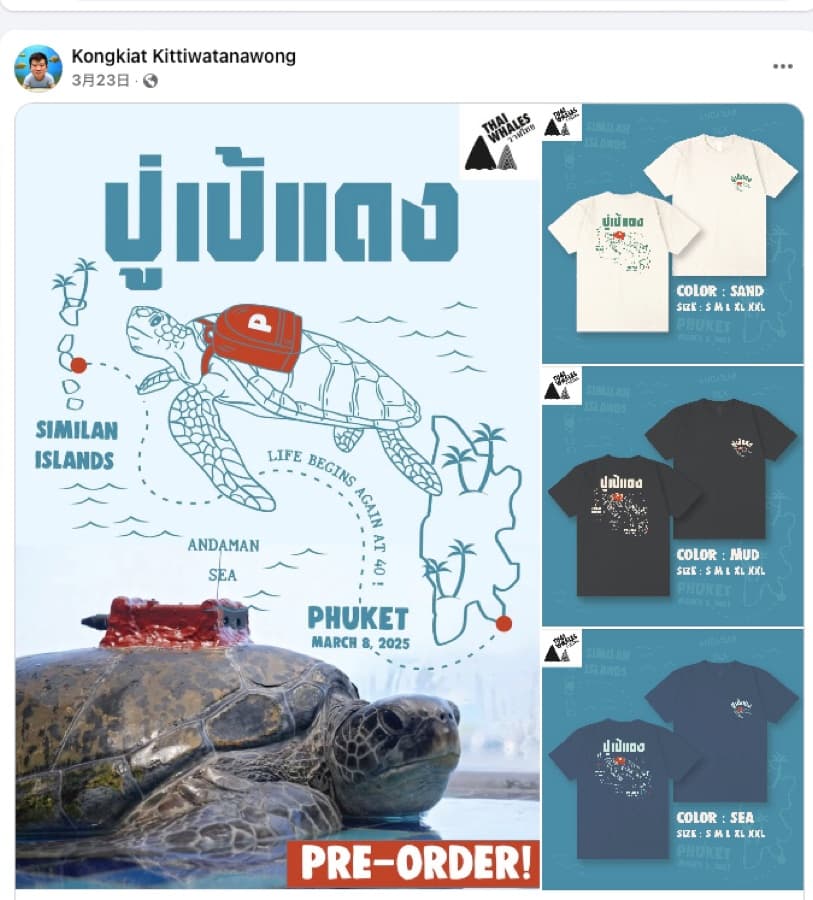

Images: from local partners' and NPOs' posts (Facebook).
What this solution is built on
Peer-reviewed research, production hardware, and a visualization platform all come from the same team. Our founders are active researchers and authors of the underlying paper.
Frequently asked questions
Q. What is marine acoustic monitoring (passive acoustic monitoring, PAM)?
It is an observation method that passively records and analyzes underwater sound with hydrophones (underwater microphones). Because it emits no sound itself, it places no burden on animals or the environment, and it keeps working in the dark sea and in bad weather. Biologging Solutions classifies the recorded sound with AI into biophony, geophony, and anthrophony to make marine ecosystems, the environment, and human activity visible.
Q. How does this differ from conventional moored recorders?
Conventionally, a recorder is fixed at one point and analyzed only after recovery. In configurations with communication (animal-borne loggers that transmit on surfacing, or NAD-W with the LTE module), we classify sound on-device with AI and send the classification results rather than raw audio, which enables multi-point, wide-area, near-real-time observation. Without communication, recovered recordings are analyzed by cloud AI. With animal-borne loggers we can also cover waters that fixed infrastructure cannot reach.
Q. What kinds of sound can be identified?
Following the soundscape-ecology framework, we classify sound into biophony (marine mammals, fish, and more), geophony (wind, waves, rain), and anthrophony (vessels, construction). Training an acoustic model for a target species adds its calls, such as dolphin clicks and whistles, to the detection set. Classifying vessel noise requires training data recorded in the target waters.
Q. Which sea areas do you cover?
In principle, any sea area. We design the equipment configuration for coastal waters, the open ocean, or brackish lagoons in Japan or overseas, according to your objectives and target species. In the Irrawaddy dolphin conservation project on Songkhla Lake, Thailand, acoustic observation runs together with a monitoring portal.
Q. Can we start with recordings we already have?
Yes. You can start with offline analysis, in which we analyze existing recordings with AI. It suits initial surveys that do not need real-time results, and because it reuses your data it is a low-cost way to understand the state of a sea area.
Q. Can it be used for offshore wind environmental impact assessment?
Yes. We continuously observe underwater noise during construction and operation, together with marine-mammal vocalizations, and provide evidence for impact assessment and post-construction monitoring. Depending on target species and regulations, we also propose configurations that combine calibrated measurement or dedicated high-sample-rate equipment.
Q. How much does it cost and how long does it take?
It depends on the sea area, observation period, and indicators, so we quote each project individually. You can pick only what you need from offline analysis, mobile biologging, and fixed buoys, and expand in phases to fit your budget and timeline.
Q. How can we work with you?
There are two tracks: joint research and proof of concept (PoC), where we develop and validate observation methods together, and commissioned monitoring / data acquisition for environmental assessment and impact measurement. Use the “Start a conversation” buttons at the bottom of this page to reach a dedicated channel, separate from product inquiries.
Talk to us about joint research & commissioned monitoring
From PoC to commissioned work, we partner with you for your sea area and goals. This is a dedicated channel, separate from product inquiries.
Joint research & proof of concept (PoC)
We're looking for partners to develop and validate observation methods together, designing PoC plans for your sea area and objectives.
Start a conversationCommissioned monitoring / data acquisition
We take on acoustic monitoring and data acquisition for environmental assessment and impact measurement, scoped to your sea area, period, and indicators.
Start a conversation